 Across the Frontier explores the complex history of nineteenth-century Qonce, then known as King William’s Town, through themes of conflict, acculturation, co-existence and cooperation.
Drawing on both the History and Anthropology collections, the exhibition presents an inclusive and multicultural history of the town and surrounding region. It moves beyond earlier interpretations that focused predominantly on the colonial experience to acknowledge the diverse communities, cultures and histories that shaped the region.
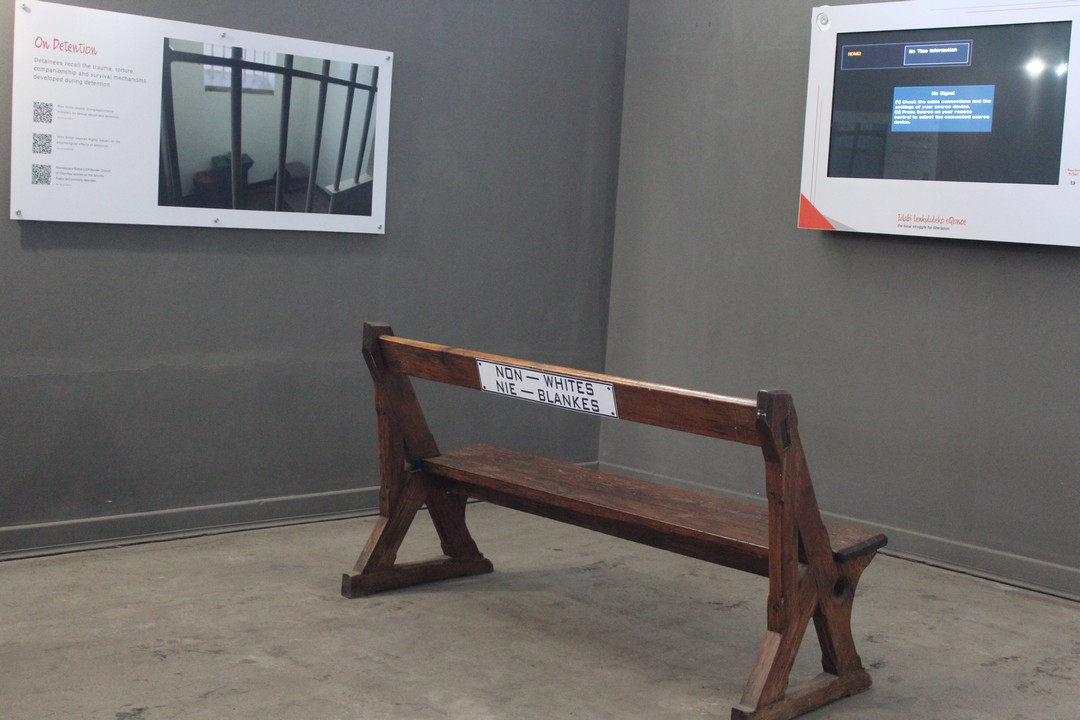
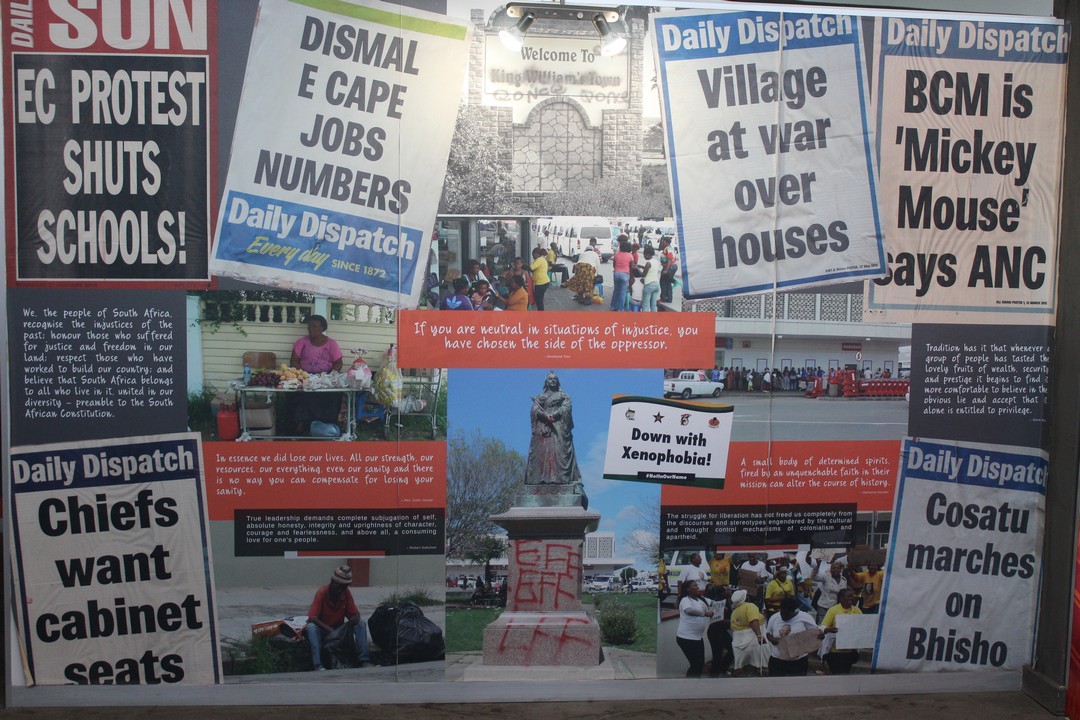
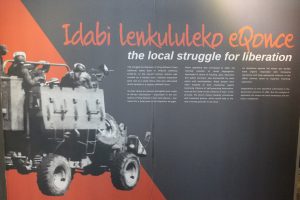 Idabi is a powerful local history exhibition exploring the region’s long history of political resistance and the struggle for freedom and equality. Combining cutting-edge research, previously unseen objects, personal testimonies and exhibition technology, it provides a distinctive local perspective on South Africa’s liberation history.
The exhibition traces the region’s history from the period of independent African chiefdoms and examines Qonce’s pioneering role in the development of black political organisation. The first Native Congress, a forerunner of the African National Congress (ANC), was established in Qonce in December 1891. One of its early meetings was held in the town’s former library, now part of the Amathole Museum.
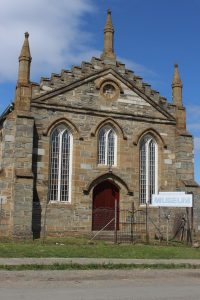 The Missionary Museum was constructed in 1855 as a Wesleyan chapel and later served as a Baptist church. Its closure followed the enforcement of the Group Areas Act. The museum opened to the public in 1976 and now functions as a satellite museum of the Amathole Museum.
The museum presents an interdenominational history of missionary activity in the Eastern Cape and its impact on the region’s communities, education, language, publishing and religious life. Its collections focus on Eastern Cape missionary endeavours, while also including artefacts relating to missionary work in the wider African diaspora including Nigeria.
Displays include Eastern Cape mission stations such as Lovedale, Healdtown and St Matthew’s, as well as representations of Roman Catholic missionary work, including the Stations of the Cross.
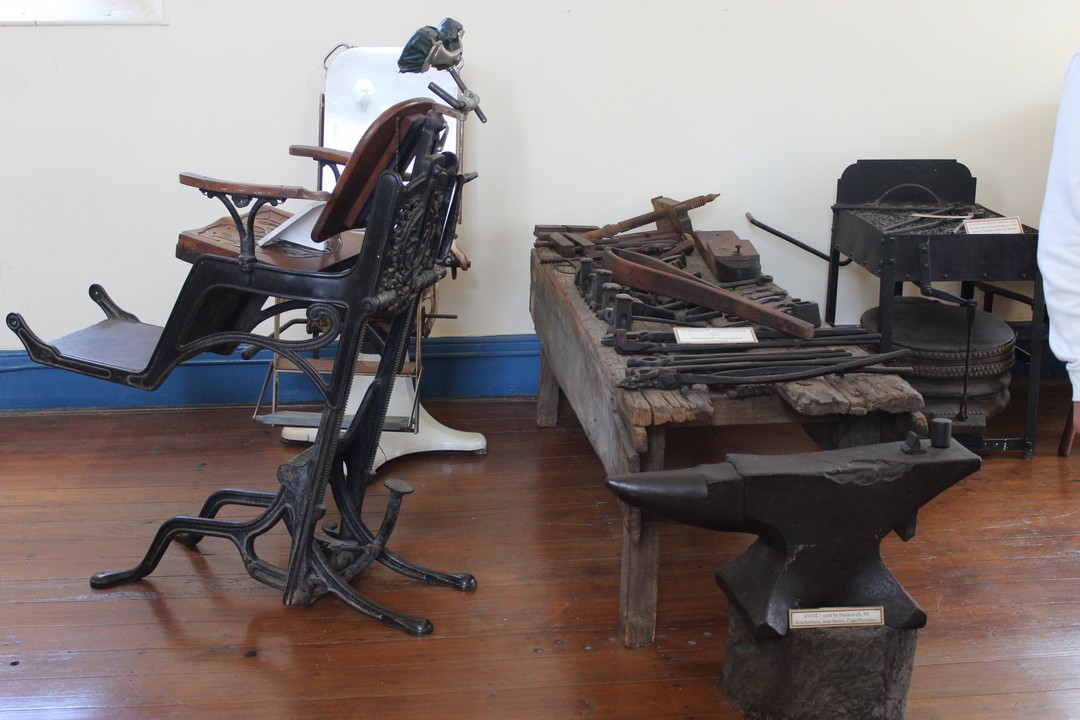
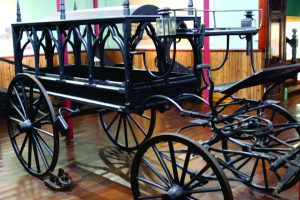 Qonce was one of Africa’s largest and most prominent centres of wagon production between approximately 1870 and 1950. Workshops including Ririe Bros., R. Symons (Buffalo Wagon & Carriage Works), W.G. Glennie (Bon Accord Works), Burgess & Co. and Behnke Bros. produced carts, wagons and trolleys for a thriving transport industry.
There was a strong demand for well-made wagons, particularly during periods of war. Farmers and transport riders were among the principal customers, while Qonce’s position as an important commercial centre and the capital of British Kaffraria helped establish the town as a vital regional economic hub.
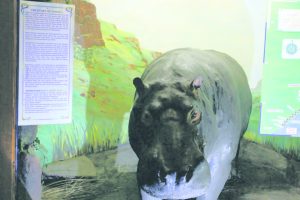 To many, Huberta was the home of “a mighty spirit”. Some Zulus believed the hippopotamus to be the reincarnation of Tshaka. The Mpondo apparently thought her to be the spirit of a famous traditional doctor, descended from a survivor of the wreck of the Grosvenor. Some Xhosa felt the animal was the spirit of a great chief – perhaps even Sandile or Hintsa – who had returned to find justice for his people.
In many newspaper stories, Huberta was given human characteristics. While most people were simply amused by her exploits, others were moved to write poetry. After her death, a flood of letters carrying such poetry appeared in the press. Over the years, Huberta has continued to inspire the essays, poems and paintings of countless school children. She has also provided inspiration for artists and musicians as far afield as England and America. In many ways, Huberta has become synonymous with the Amathole Museum.
 Anthropology collects and documents Xhosa traditional knowledge, ranging from artifacts and medicines to myths and rituals.
Owing to its predominantly oral character, traditional knowledge is doomed to extinction in a modern hi-tech world in which its poetic language and practical significance are likely to be misunderstood, unless recorded and documented for posterity.
Ethnological artifacts are displayed in the XHOSA GALLERY, which documents social and cultural change among the Xhosa of the Eastern Cape from pre-colonial times to the present.