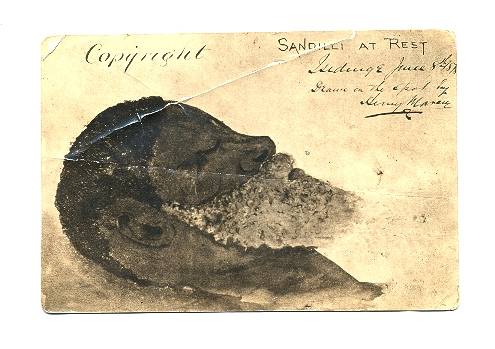
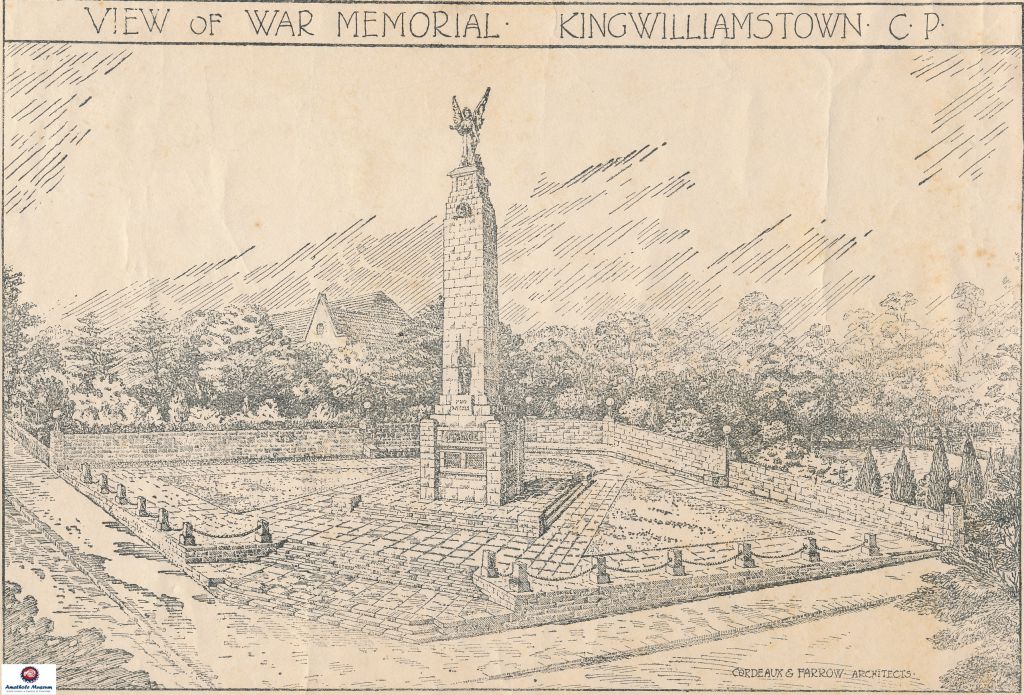
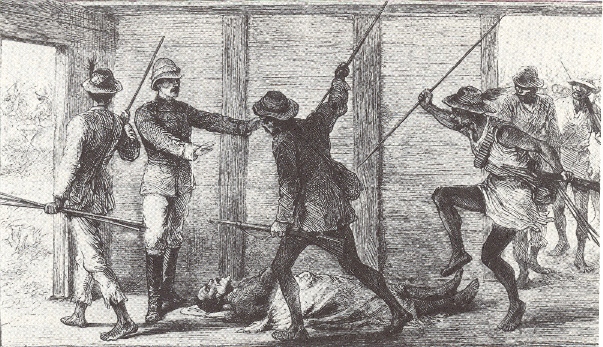
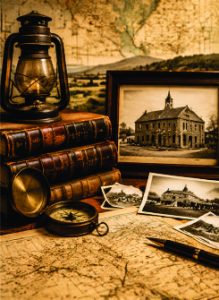
 Much of the research conducted by the History Department is collections-based, drawing on the strengths available in our displays storerooms. This includes, but is not limited to, the narratives of the town and the surrounding area, Eastern Cape missionary endeavours, the German Settlers (1857-1877) and local struggle history which remains an ongoing interest of the section.
The museum is a very popular genealogical resource centre and answer enquiries using our 300 000 strong biographical database developed over many years. Apart from individual genealogical enquiries, we have also assisted local group claimants with their restitution claims. This also informed research conducted by the historian, Dr. Stephanie Victor, on pre-apartheid housing in the Qonce (formerly King William’s Town) which formed part of her Masters’ dissertation.
 Our library is not a lending library. Material is not loaned out, although it can be accessed via interlibrary loan. Staff members, scholars and researchers from other institutions, the latter by appointment only, utilize the library for research purposes. It is open on weekdays during working hours (9H00-16H00) and closed on weekends. Control of the use of the collection is strict and no books are allowed to leave the Kitton Reading Room, a rule that also applies to staff members.
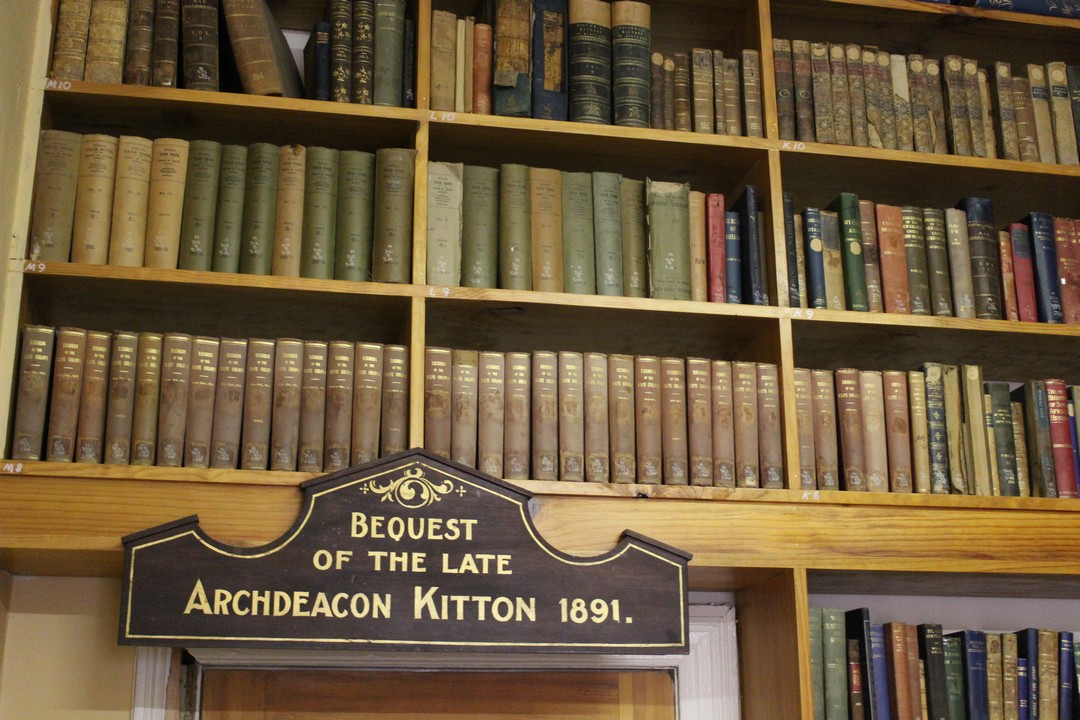
The collection includes the Kitton Collection of rare Africana books, which the Archdeacon Henry Kitton bequeathed to the people of King William’s Town in 1891. The latter covers a wide variety of subjects, such as, religion, history, botany, zoology, African languages and biographies especially of Cecil John Rhodes. The oldest book in the collection is Thomas Fuller’s The Holy State published in 1642.
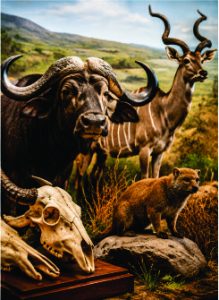 The Amathole Museum’s mammal collection, known as the Shortridge Mammal Collection, is one of the largest of its kind in Southern Africa. It holds roughly 34,000 specimens spanning 17 orders, 66 families and around 428 species, collected from across South Africa and further afield over more than a century.
Among them are approximately 222 type specimens the reference specimens against which a species was first formally described. The collection is named after Captain Guy C. Shortridge, a former director of the museum whose fieldwork and mammal surveys across southern Africa in the early twentieth century laid much of its foundation. It remains an active research resource today, used by South African and international researchers for taxonomy, biogeography, and DNA barcoding projects such as the SABOL initiative run through SANBI.
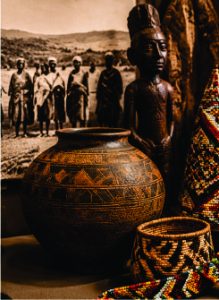 The museum’s Anthropology section conducts research on a variety of topics ranging from Xhosa history and traditional healing to indigenous or local knowledge and the use of medicinal plants.
Owing to its predominantly oral character, traditional knowledge is doomed to extinction in a modern hi-tech world in which its poetic language and practical significance are likely to be misunderstood, unless recorded and documented for posterity.